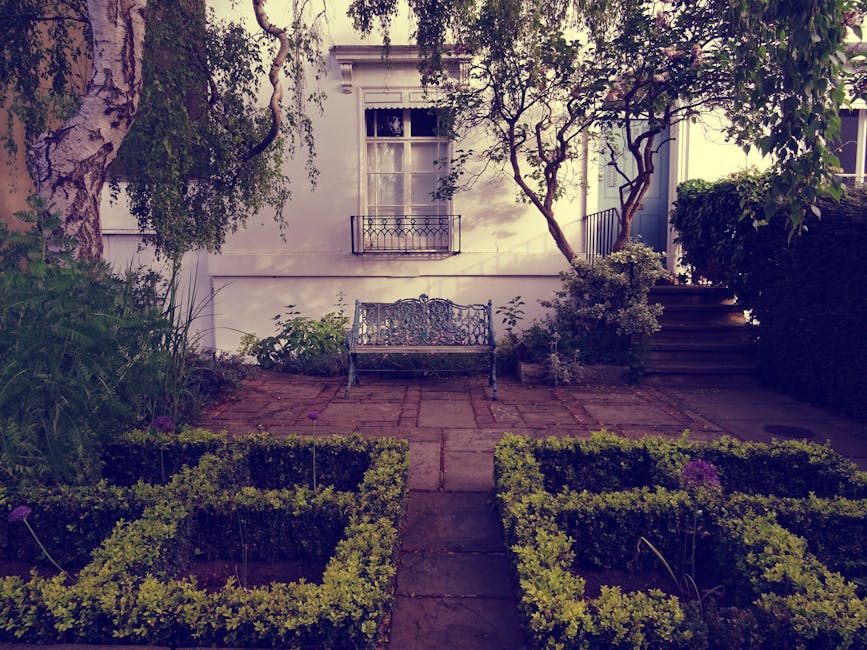
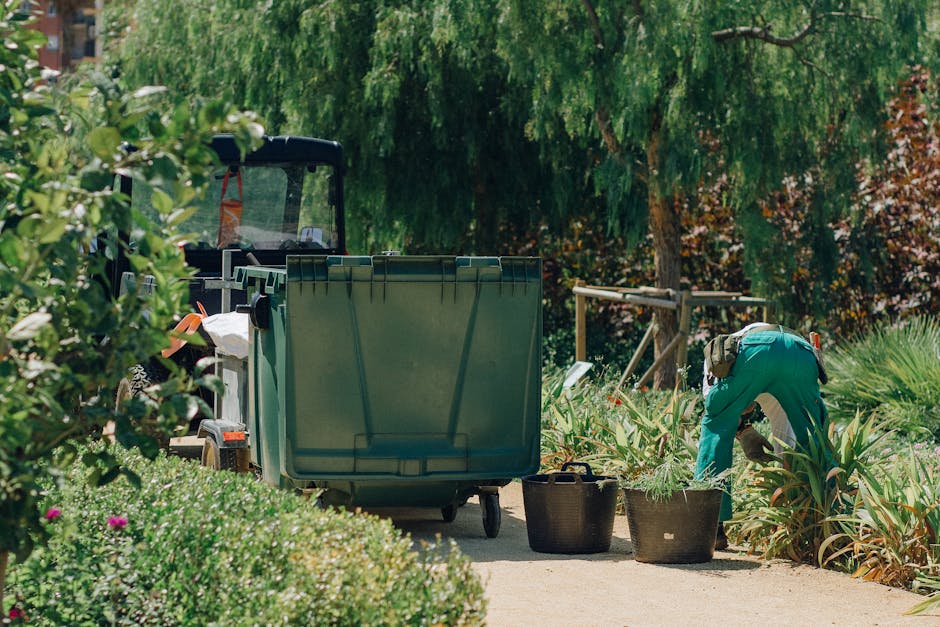
Hedge Trimming in Hampstead

Hedge trimming in Hampstead should leave boundaries neat, growth balanced and the finished shape suited to the garden rather than forced into a pattern that does not fit. We provide a focused trimming service for domestic and commercial outdoor spaces, covering regular maintenance cuts, seasonal reshaping and careful reduction where hedges have become uneven. The aim is straightforward: a cleaner outline, healthier regrowth and a result that sits naturally with the rest of the planting.
Well-managed hedges can define a frontage, screen a boundary or frame paths and planting beds, but they can also become heavy, patchy or difficult to control if they are left too long between cuts. Our work is planned around the species, the current condition of the hedge and the finish you want. That may mean a tidy face and top, a more restrained reduction, or a careful refresh that keeps the hedge compact without stripping it back too severely.
For a quotation, send through the basics of the hedge size, access and the finish you are after. If you already know the style you prefer, mention it when you make an enquiry so the scope can be assessed clearly. We can then discuss the right level of trimming and any related garden work that would help complete the job cleanly.
Regular Hedge Maintenance
Routine hedge maintenance is the foundation of most good results. A hedge that is cut on a sensible cycle is usually easier to shape, less likely to flare out at the sides and more manageable when it comes to height control. The trimming itself is adjusted to the hedge’s habit, because fast-growing varieties, evergreen screens and mixed boundary planting do not all respond in the same way. The objective is to keep the outline sharp while leaving enough healthy growth for the hedge to recover well.
When a hedge is already even, maintenance cuts are generally lighter and more efficient. When the growth has gone beyond its usual line, a more deliberate approach may be needed to restore symmetry without over-pruning. We look at the hedge as a whole, rather than treating every section identically, so that one weak side is not forced into the same reduction as a stronger side. That level of care matters when the hedge forms part of the garden’s visible structure.
Shaping, Height Reduction and Boundary Control
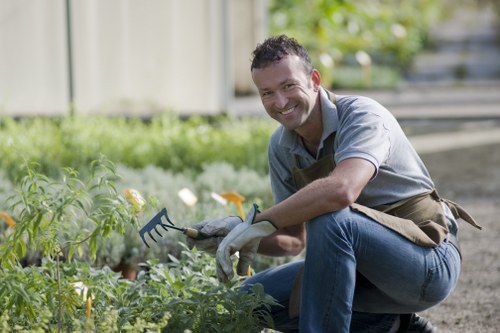
Some hedges need more than a tidy cut. They may have grown too tall for the space, spread over a path or softened into an irregular line that affects the overall look of the garden. In those cases, hedge trimming may include measured height reduction and side shaping so the hedge once again fits the boundary it is meant to mark. The work is carried out with attention to proportion, because a hedge that is reduced too aggressively can look harsh and recover unevenly.
Different species tolerate different levels of reduction, and that is one reason the service is planned carefully. A broad, informal hedge can often be brought back into a clearer line, while a more formal screen may need a slower return to shape over more than one cut. If the hedge is near paving, driveways or planted borders, the finish should also take account of the surrounding features so the final outline feels deliberate rather than clipped for its own sake.
In practice, this section of work is often about restoring control. A hedge may be trimmed to re-establish a straight top, square up a side that has pushed out, or bring a front boundary back into a neat plane. When the brief is clear, it is easier to judge what should be removed now and what should be left for the next round of maintenance.
Hedge Types and Finishing Styles

Hedges are not all maintained in the same way, and the best trimming method depends on both species and purpose. Formal hedges usually benefit from crisp lines and a consistent profile, while more relaxed planting may need a softer finish that preserves a natural outline. The right result is not always the most severe cut; in many gardens, a controlled trim that improves density and shape is more useful than forcing every hedge into a rigid box.
We can also work with hedges that serve different roles within the same property. A tall boundary screen may need a straight upper line for privacy, while a lower decorative hedge at the front of the garden may call for a shallower profile and a finer finish. If there are mixed hedge sections, it is often better to treat them individually so each one keeps the right balance of height, width and density. That is especially useful where the planting includes different varieties or sections with uneven growth.
Useful finishing choices may include:
- a clean, formal face for front boundaries and visible garden edges
- a softer, natural outline for informal screening and planted borders
- a controlled reduction where the hedge has outgrown its space
- a denser finish designed to help the hedge read as a solid green backdrop
Hampstead Gardens and Property Boundaries
Hampstead is an area in north-west London known for its hilltop setting, historic streets and strong mix of village-like lanes, period homes and larger residential roads. Hampstead Heath forms one of its most recognisable open spaces, with ponds, lawns and wooded ground shaping the local landscape and giving the district a clear sense of contrast between dense housing and open terrain. The area’s architecture includes Georgian, Victorian and Edwardian buildings, along with later apartments and converted houses that sit alongside older streets and squares. Hampstead Underground station and the wider transport network connect the neighbourhood with central London, while local shopping streets, cultural venues and cafés add to its long-standing character as a residential and social district. The combination of steep changes in level, mature trees and tightly arranged properties gives many streets a layered visual quality, where front boundaries, garden screening and planted edges play a noticeable part in the streetscape. Historic associations with writers, artists and medical institutions have also shaped Hampstead’s identity, but the area remains above all a lived-in part of London with parks, homes and local amenities intertwined. Its mix of sheltered gardens, open heathland and closely planned residential plots means outdoor spaces often sit in clear relation to neighbouring buildings, making neat boundary planting and well-kept hedges a familiar part of the local scene.
Overgrown Growth and Seasonal Tidy-Ups
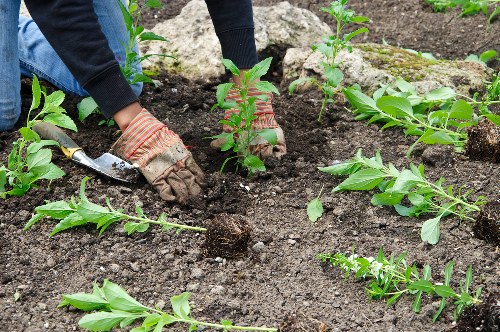
Hedges do not always become a problem because they are neglected for years; sometimes they simply race ahead after one strong growing season. In those cases, trimming is less about dramatic change and more about bringing the hedge back to a useful line before it becomes awkward to manage. A sensible seasonal tidy-up can help prevent a hedge from narrowing a path, shading a planting bed too heavily or losing the defined edge that made it work in the first place.
When growth has become overextended, the service may need to balance appearance with plant health. Cutting too deeply in one go can leave thin areas or expose inner growth that has not been relied on for structure. A more careful approach lets the hedge keep enough leaf mass to respond well while still improving access, light and shape. This is especially important where the hedge is part of a front garden or visible from the street, because the finish needs to look intentional from every angle.
Seasonal work is also useful for keeping the garden manageable before the hedge becomes harder to control. A lighter trim can be enough to preserve the line, while a fuller tidy-up may be needed after a period of rapid growth. Either way, the advantage is the same: the hedge stays part of the garden design instead of taking over it.
Access, Clean Finishing and What to Prepare
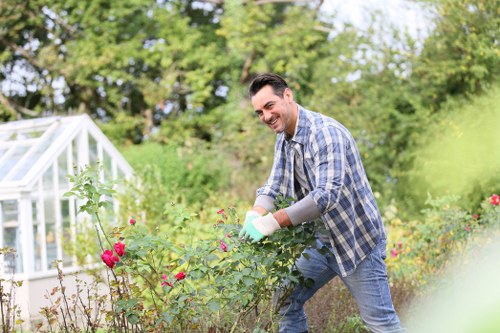
Good hedge trimming is not only about the cut itself. Access, nearby planting and the space available for working all affect how the job is approached. A hedge beside a narrow passage, a paved entrance or a planted border may need more controlled handling than a hedge with open sides. It is also useful to know whether the hedge sits at ground level, along a raised edge or above a retaining feature, because each setting calls for slightly different working methods and finishing care.
When you request a quotation, it helps to provide a brief description of the hedge length, approximate height and whether you would like a light tidy, a reshape or a more substantial reduction. If the hedge has awkward corners, mixed species or limited access, those details are worth mentioning too. A clear description usually makes it easier to suggest the right level of work without overcomplicating the process. It is also sensible to say whether you want clippings removed as part of the service or whether there is space for them to be handled on site.
We aim for a finish that looks clean, with the hedge lines settled and the surrounding garden left orderly. If you are planning ahead, now is a good time to ask for a quotation and outline the hedge work you want completed. The clearer the brief, the easier it is to match the trimming to the shape and condition of the hedge.
Related Garden Services
In many gardens, hedge trimming sits alongside other maintenance work, especially where a hedge forms one part of a broader outdoor layout. A boundary hedge may be easiest to manage when the lawn, beds and adjacent planting are all kept in step, so the garden presents a tidy whole rather than a patchwork of different upkeep levels. Where this is useful, related services can help support the hedge work without distracting from it.
For gardens that need a fuller refresh, our garden maintenance service can support ongoing care across lawns, borders and general tidying. If the hedge sits alongside a larger redesign or planting update, landscape gardening may be relevant. For more substantial outdoor changes, landscaping can bring the wider space into line with the boundary treatment and planting structure.
Practical Additions Around the Hedge
Hedge work often reveals what else needs attention nearby. Fallen leaves, cuttings or older growth can collect against fences, edging or hard surfaces, and a tidy finish is easier to achieve when those areas are dealt with at the same time. Where the hedge is part of a larger garden scheme, it may also be sensible to consider whether the surrounding lawn or nearby planting should be trimmed and cleared to suit the new line of the hedge.
If you have other jobs in mind, the same visit can sometimes be planned around them in a sensible order. A trimmed hedge may sit better beside a freshly cut lawn, while a cleared border may make the outline of the hedge easier to appreciate. We can discuss whether any adjoining work would help the final result, but the hedge remains the main focus. For a broader upkeep plan, you may also want to look at lawn mowing or garden clearance where those tasks are relevant to your space.
Tell us what the hedge is doing now and what you want it to do next. That simple starting point is often enough to shape the right trimming approach, whether the task is a regular tidy or a more noticeable reshape.
Timber Edges, Tall Screens and Final Adjustments
Some hedges are grown for privacy, while others are used to soften a fence line or bring height into a garden composition. Tall screens often need careful attention to the top line, because even a small variation can be obvious once the hedge is viewed across a long stretch. Lower hedges may demand a cleaner edge at the front, where the profile is seen more directly and small irregularities stand out against paving or planting.
There are also situations where the hedge is best treated as part of a layered boundary, especially if it sits near timber fences, walls or other hard landscaping. In that case, the final adjustments can make a real difference to how settled the garden feels. We work to leave the hedge with a disciplined outline and a finish that remains practical for the next stage of growth, rather than one that will quickly unravel into unevenness.
Where a hedge sits at the edge of a more developed garden, it may also be useful to think about how it relates to the rest of the planting palette. A good trim should support the garden’s structure by keeping the boundary reliable without drawing unnecessary attention to itself. That is often the mark of a finish that has been done with care.
Getting a Quotation
For a quotation on hedge trimming in Hampstead, a concise description is usually enough to begin with. Let us know the hedge type if you know it, the approximate dimensions, whether you need a light tidy or a more significant reduction, and if access is straightforward. These details help set the scope of work and make it easier to discuss the most suitable way to approach the job. If there are adjacent features to protect, mention those as well so the work can be planned with the right level of care.
We keep the focus on practical hedge work: shaping, trimming, boundary control and finish. If you are not sure which level of service is appropriate, describe the current condition and the result you want, and that will usually provide enough context to assess the next step. You can request a quotation once you are ready, and if you want to discuss a wider garden tidy at the same time, that can be covered in the same enquiry.
For a final step, please make your enquiry through our contact page so we can review the hedge work and respond with the right quotation details.