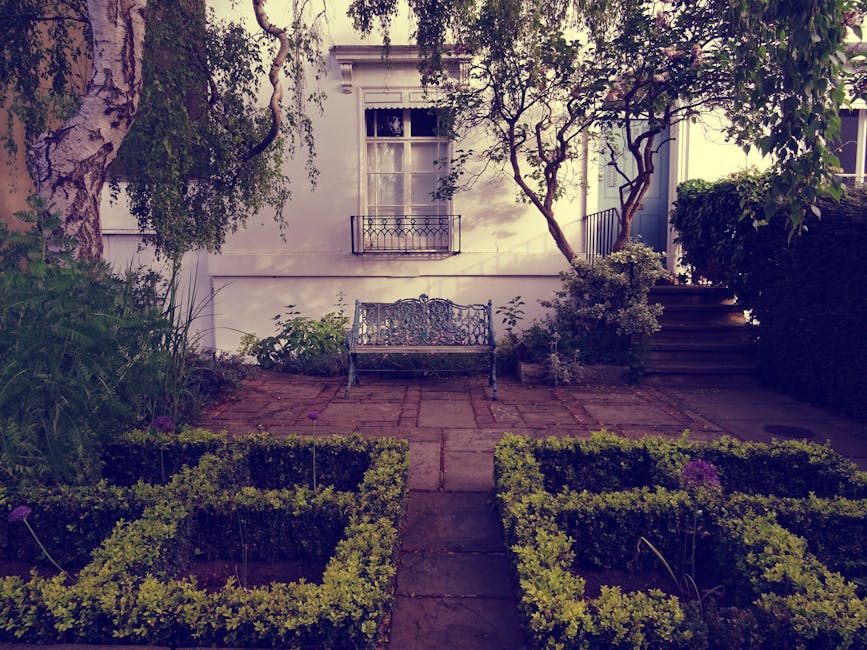
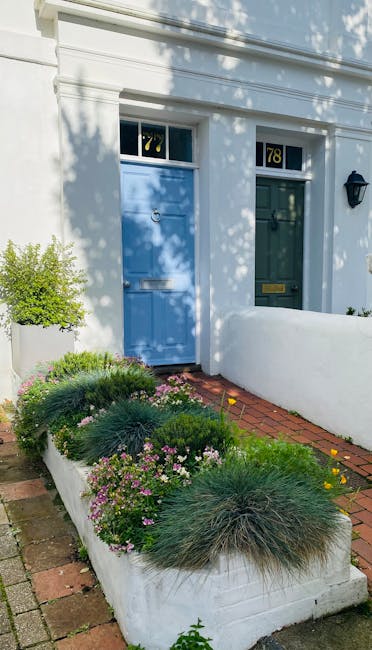
Hampstead Front Garden Transformation Gardeners Case Study
There is something quietly powerful about a front garden done well. Not flashy, not overworked, just tidy, welcoming, and clearly thought through. In Hampstead, where kerb appeal often has to sit comfortably beside period character, a front garden transformation is rarely about one dramatic gesture. It is about balance, proportion, and the sort of detail you notice when you arrive home on a wet Tuesday evening and think, yes, that feels right.
This Hampstead front garden transformation gardeners case study explores how a well-planned redesign can turn an awkward, tired, or overgrown entrance into a space that looks sharper, works harder, and is easier to look after. You will find practical guidance on the process, the decisions that matter, common mistakes, and the kind of thinking that separates a decent result from a genuinely polished one. If you are comparing ideas or planning your own project, this is the sort of article that should help you make better calls.
For readers who want to understand the wider service approach behind this sort of work, it can also help to look at the broader services overview and the team's wider approach to landscape gardening and landscaping. That broader context matters. Front gardens are small, but the decisions behind them rarely are.
Why Hampstead Front Garden Transformation Gardeners Case Study Matters
Front gardens do a lot of quiet heavy lifting. They frame the property, set expectations before anyone reaches the door, and often influence how people feel about the whole house. In Hampstead, that effect is even stronger because streets tend to carry a strong visual rhythm. A front garden that is too busy, too bare, or simply neglected can break that rhythm in an instant. A thoughtful transformation, by contrast, can make a home feel settled, cared for, and more valuable in the everyday sense of the word.
This kind of case study matters because it shows the difference between "tidying up" and properly improving a space. Anyone can cut back a shrub and sweep away leaves. A good gardener looks at access, planting structure, light levels, surface materials, drainage, privacy, and maintenance load. It sounds like a lot, and it is a lot, but that is what makes the finished result feel effortless.
There is also a practical side. Front gardens need to cope with foot traffic, bins, bikes, deliveries, wet weather, shade from nearby buildings, and the occasional bit of damage from everyday life. The best transformations account for all of that, rather than pretending the space is a show garden that nobody ever walks through. Let's face it, life happens there.
How Hampstead Front Garden Transformation Gardeners Case Study Works
A front garden transformation usually starts with an assessment rather than a shovel. That first visit is where the real work begins. The gardener will look at what is already there, what is helping, what is getting in the way, and what the homeowner actually wants the space to do. More privacy? Better access? A cleaner, more formal appearance? Less maintenance? All of those goals are valid, but they lead to different design decisions.
In practical terms, the process often moves through a few clear stages:
- Initial review - measuring the space, checking soil condition, noting drainage issues, and identifying overgrowth or damaged features.
- Clearance and sorting - removing dead growth, clutter, old edging, weak planting, and anything that makes the garden feel cramped or tired.
- Structure first - deciding on borders, paths, levels, hedges, screening, or a focal point before worrying about decorative details.
- Soft landscaping - choosing plants, lawn treatment, mulch, and finishing touches that suit the light and upkeep needs.
- Aftercare planning - agreeing what ongoing maintenance is needed so the result does not drift backwards in a few months.
That sequence sounds simple, but it is the order that matters. Many disappointing front gardens fail because people start with plants or ornaments instead of structure. It is a bit like decorating a room before the walls are straight. You can do it, but why make life harder?
If the garden has become crowded or difficult to manage, a proper reset may include garden clearance before any design work begins. Once the space is clear, the transformation can be shaped more intelligently and with fewer compromises.
Key Benefits and Practical Advantages
A successful front garden transformation is not just about appearances, though that is usually the most obvious win. The deeper benefits tend to show up over time.
- Better first impression - the entrance feels inviting rather than forgotten.
- More usable space - even a narrow front garden can be made easier to move through.
- Lower maintenance - a smarter layout often means less time spent battling overgrowth.
- Improved plant health - better light, spacing, and drainage support healthier growth.
- Clearer boundaries - hedges, edging, and screening can make the property feel more defined.
- Safer movement - fewer trip hazards, better sight lines, and cleaner paths.
Another benefit that often gets overlooked is psychological. A neat front garden can make the whole house feel calmer. You see it when you arrive, and you feel it when you leave. That sounds small, but it really isn't. In a busy place like London, that little bit of calm counts.
For homes where seasonal upkeep matters, a mix of garden maintenance, selective hedge trimming, and occasional lawn mowing can keep the transformation looking finished without turning into a full-time hobby.
Who This Is For and When It Makes Sense
This kind of work suits quite a wide range of property owners. In Hampstead especially, the front garden challenge is often less about size and more about how to make a compact, visible space look refined without becoming difficult to maintain.
It may make sense if you are:
- preparing to sell or rent a property and want the entrance to feel sharper
- dealing with an overgrown or unloved front plot
- trying to create a more private or enclosed feel without blocking light
- tired of a patchy lawn, tired edging, or plants that have outgrown the space
- working around a slope, awkward path, or messy access point
- wanting a front garden that suits the style of the house rather than fighting it
It also makes sense if your current front garden is technically fine but somehow not quite right. You know the feeling. The hedge is a bit too high, the border is a bit too loose, and the whole thing looks as if it was planned in a hurry. You don't need a total redesign every time. Sometimes a focused improvement is enough.
If you are comparing service types, the choice between a light refresh and a fuller transformation usually comes down to how much structure needs changing. A maintenance visit can tidy and stabilise things; a landscaping project can reframe them from the ground up.
Step-by-Step Guidance
Here is the practical sequence we would expect in a well-run front garden transformation. Not every project needs every step, but the order is useful.
1. Start with the use of the space
Ask what the garden needs to do. Is it mainly for visual impact? Do you need secure bike storage, bin access, or a cleaner path to the door? Once you know the job of the space, design decisions become much easier.
2. Strip out what is no longer helping
This can include self-seeded plants, broken edging, tired compost heaps, tangled climbers, and anything that blocks the view or makes the entrance feel cramped. If a shrub has become a small tree and is now eating the light, that's a clue. A very loud clue.
3. Put structure in place
Good front gardens almost always benefit from visible structure. That might mean a defined path, low borders, clipped hedging, or a neat transition between hard and soft surfaces. Structure gives the eye somewhere to rest.
4. Choose planting for the conditions
Shady front gardens need different planting logic from sunny ones. Soil that dries quickly needs different attention from heavier clay. Choose plants for how they will perform over time, not just how they look on day one. That sounds obvious, but it is where many projects wobble.
5. Add finishing details carefully
Edging, gravel, mulch, and tidy surfaces all help the garden feel complete. The trick is restraint. Too many finishes can make a small garden feel crowded. A clean edge and one or two well-chosen features are often enough.
6. Plan aftercare immediately
Ask what needs attention in the first month, first season, and first year. A front garden transformation only stays transformed if the maintenance plan is realistic. Otherwise it slowly slides back. Happens all the time, to be fair.
Expert Tips for Better Results
Good gardeners often make strong results look easy, but there is usually a lot of judgement behind the scenes. These are some of the points worth paying attention to.
- Keep the palette controlled. A limited mix of materials and planting tones usually reads as more elegant.
- Think about viewing angles. What looks balanced from the street may look awkward from the window, and vice versa.
- Use repetition wisely. Repeating a plant or material a few times creates rhythm without clutter.
- Watch the scale. Small gardens need finer details; large front plots can handle broader gestures.
- Respect the house style. A transformation should feel like it belongs to the property, not like it was dropped in by mistake.
- Make maintenance honest. If the homeowner is busy, design with low-to-medium upkeep in mind from the start.
One very practical tip: if the hedge line is part of the front view, keep it disciplined. A neat hedge can frame a house beautifully, while a shaggy one can make even a good design feel unfinished. Services such as hedge trimming are not just cosmetic; they help preserve the shape of the whole front garden.
And here is a small one from experience: do not underestimate the impact of a clean threshold. The area from the gate to the front door is often what people remember most. That first few metres carries a lot of weight.
Common Mistakes to Avoid
Some front garden problems are easy to spot. Others are the kind you only notice after the money has been spent and the plants are sulking. Better to avoid them early.
- Overplanting - too many plants close together can look full for a while, then become a maintenance headache.
- Ignoring drainage - standing water, muddy paths, or compacted soil will undermine the result.
- Using too many materials - three or four surface types in a tiny space can look chaotic.
- Choosing plants for the wrong light - a shady front garden is not the place to force sun-loving shrubs.
- Skipping a maintenance plan - even low-maintenance designs need some care.
- Forgetting proportions - big features in a small garden can feel clumsy, and tiny details in a larger one can disappear.
A common one in Hampstead is trying to preserve every mature element simply because it is already there. Sometimes that works. Sometimes it doesn't. If a tree is damaging the balance of the space, a thoughtful approach to tree lopping and removal may be necessary, though it should always be handled carefully and with the right judgement.
Another mistake? Treating the front garden like an afterthought. Front spaces are visible every day. They deserve proper attention, not just whatever is left after the back garden is sorted.
Tools, Resources and Recommendations
For homeowners, the "tools" in a front garden transformation are not just physical implements. They include planning, sequencing, and the right mix of services. Still, the practical side matters too.
A typical project may draw on:
- hand tools for cutting, edging, and planting
- wheelbarrows and bags for clearance and removal
- mulch, compost, gravel, or decorative aggregates
- good-quality edging materials
- basic measuring equipment for layout and spacing
- safe access equipment where needed for taller hedging or trees
For clients who want a simpler route, it helps to start with a professional assessment and then phase the work sensibly. Sometimes a transformation happens in one visit; sometimes it works better in stages, especially if the garden needs clearing, structural changes, and ongoing planting adjustments.
Useful service pages to review alongside the project plan include garden clearance, garden maintenance, and lawn mowing. These are particularly relevant if the front garden needs a reset followed by regular upkeep rather than a one-off tidy.
If you are comparing different approaches, a conversation with the team behind about us can also give you a sense of working style, which matters more than people often realise. A calm, organised crew tends to produce calmer, better-finished gardens. Funny how that works.
Law, Compliance, Standards, or Best Practice
Front garden work is usually straightforward, but there are still standards and best practices worth keeping in mind. In the UK, homeowners and contractors should be careful around boundary ownership, shared access, overhead hazards, waste handling, and any protected or sensitive planting. If a front garden includes larger trees, it is sensible to check whether permissions or additional considerations apply before work begins. That is not the glamorous part of the job, but it is the responsible one.
Good practice also means handling waste properly, using equipment safely, and avoiding shortcuts that could affect neighbours or public footpaths. If work affects visibility near the road, access routes, or shared boundaries, a sensible gardener will plan carefully and communicate clearly. You do not want a neat garden and a messy disagreement next door. No one needs that.
Professional standards should also include insurance awareness, risk management, and a tidy site on completion. If you want to understand the service mindset in more detail, the pages on insurance and safety, health and safety policy, and recycling and sustainability are useful indicators of how a serious provider thinks about the job beyond the obvious finish.
For anyone comparing quotes, it also helps to look at pricing and quotes so expectations are clear from the start. Transparent pricing is part of best practice, not a nice extra.
Options, Methods, or Comparison Table
Not every front garden needs the same level of intervention. Some need a light refresh. Others need a proper transformation. Here is a simple comparison that may help.
| Approach | Best for | Typical outcome | Maintenance level |
|---|---|---|---|
| Light tidy and trim | Gardens that are healthy but slightly untidy | Cleaner lines, better shape, quick visual uplift | Low |
| Partial rework | Spaces with one or two weak areas | Improved layout, better planting balance, more structure | Low to medium |
| Full front garden transformation | Overgrown, awkward, or poorly planned entrances | New layout, refreshed materials, stronger curb appeal | Medium, depending on planting choice |
The right option depends on condition, budget, and how much long-term maintenance you are willing to take on. If you want something neat but easy, keep it restrained. If you want a real visual reset, be prepared to remove more than you add. That is often where the best work happens.
Case Study or Real-World Example
Here is a realistic example of how a Hampstead front garden transformation might unfold, without pretending every site is identical. A homeowner has a narrow front plot with a tired hedge, patchy planting, a few volunteer weeds, and a front path that feels slightly cramped. From the street, the house itself is attractive, but the garden drags the whole entrance down a bit.
The first step is to clear the weak growth and assess what is worth keeping. A hedge may be reshaped rather than removed; a small number of healthy shrubs could stay if they suit the new layout. Once the overgrowth is cut back, the garden suddenly reads differently. You can see the bones of the space. Always a good sign.
Next comes structure. The path edges are sharpened, the planting bed is simplified, and the front boundary is neatened so it frames the house instead of hiding it. In many cases, a cleaned-up hedge line does a remarkable amount of work. Add in some well-chosen planting for texture, and the garden starts to feel composed rather than cluttered.
If the lawn is part of the frontage, it may need levelling, feeding, or even reducing in size if it is unrealistic to maintain. A small, tidy lawn can work beautifully; a poor one often just reads as tired. No shame in changing it. Sometimes that is the sensible move.
Expert summary: the best front garden transformations in Hampstead usually succeed because they respect the property's architecture, reduce visual noise, and make upkeep easier. The result should feel natural, not staged.
In a case like this, the finished space might not be dramatic in a magazine sense. But that is the point. The garden looks right. The entrance feels open and cared for. The house breathes a little better. And the homeowner no longer winces when they walk up the path.
Practical Checklist
Use this checklist if you are planning a front garden transformation of your own.
- Decide what the front garden must do: frame, screen, welcome, or simplify.
- Check the condition of hedges, shrubs, lawns, and borders.
- Remove clutter, dead growth, and anything blocking the layout.
- Confirm whether any trees or larger plants need extra care before work starts.
- Choose materials and planting that suit the house style.
- Keep the number of finishes and plant types under control.
- Plan access for bins, bikes, deliveries, and day-to-day movement.
- Think about sunlight, shade, and drainage before planting.
- Set a realistic maintenance routine for the first year.
- Review the quote, scope, and aftercare expectations clearly.
If you are not sure where to begin, start with the simplest question: what is making the garden feel wrong right now? That one answer usually tells you the first move.
Conclusion
A strong Hampstead front garden transformation is rarely about extravagance. It is about clarity, proportion, and practical decisions made in the right order. That is why a good case study can be so useful: it shows that the best results usually come from careful planning, not just more plants or fancier materials.
Whether you are dealing with overgrowth, a weak layout, or a front entrance that simply does not reflect the house properly, the path forward is usually the same. Clear the noise, strengthen the structure, choose planting that can cope with real life, and keep the maintenance plan honest. Simple enough in theory. Not always simple in practice, mind you, but very achievable with the right gardeners.
Get a free quote today and see how much you can save.
If you are ready to take the next step, speak with a team that understands both design and maintenance, and can guide you through the full process from first look to final tidy-up. A good front garden has a way of quietly improving everything around it. It's a small change, really. Except it isn't.
Frequently Asked Questions
What is a Hampstead front garden transformation gardeners case study?
It is a practical example of how gardeners redesign, clear, reshape, or improve a front garden in Hampstead so it looks better and works better day to day.
How long does a front garden transformation usually take?
It depends on the size of the garden and how much clearing or rebuilding is needed. A simple refresh can be quick, while a fuller transformation may take longer in stages.
Do I need a full redesign if my front garden is just messy?
Not always. Sometimes a focused clearance, hedge reshaping, and smarter edging are enough. The right answer depends on whether the layout itself is the problem.
What makes front gardens in Hampstead different?
Many properties have strong architectural character, visible street frontage, and limited space, so the work often needs to balance elegance with practicality.
Can a front garden transformation help with maintenance?
Yes. A better layout and more suitable planting can reduce ongoing work, especially if overgrown areas are removed and the structure is simplified.
Should I keep an existing hedge or replace it?
That depends on its health, shape, size, and role in the design. A hedge that provides structure may be worth keeping if it can be trimmed properly.
What if the front garden has poor soil or drainage?
That should be addressed early. Good design means choosing plants and materials that suit the conditions rather than fighting them.
Is lawn always a good idea in a front garden?
No. A lawn can work well, but only if it has enough light and the homeowner is willing to maintain it. In some cases, a smaller planted area is more practical.
How do I choose between landscaping and simple maintenance?
If the garden mainly needs tidying and shaping, maintenance may be enough. If the layout, structure, or surfaces need changing, landscaping is the better fit.
What should I ask a gardener before starting?
Ask about the proposed scope, maintenance needs, timing, waste removal, safety measures, and how the finished garden will be kept looking good.
Do I need to think about safety or insurance for this kind of work?
Yes, especially if the job involves taller hedging, tree work, or access near paths and boundaries. It is sensible to work with a provider that takes safety seriously.
Where should I start if I want to transform my own front garden?
Start with a clear assessment of what is not working, then decide whether you need clearance, maintenance, or a fuller redesign. That first honest look saves time later.